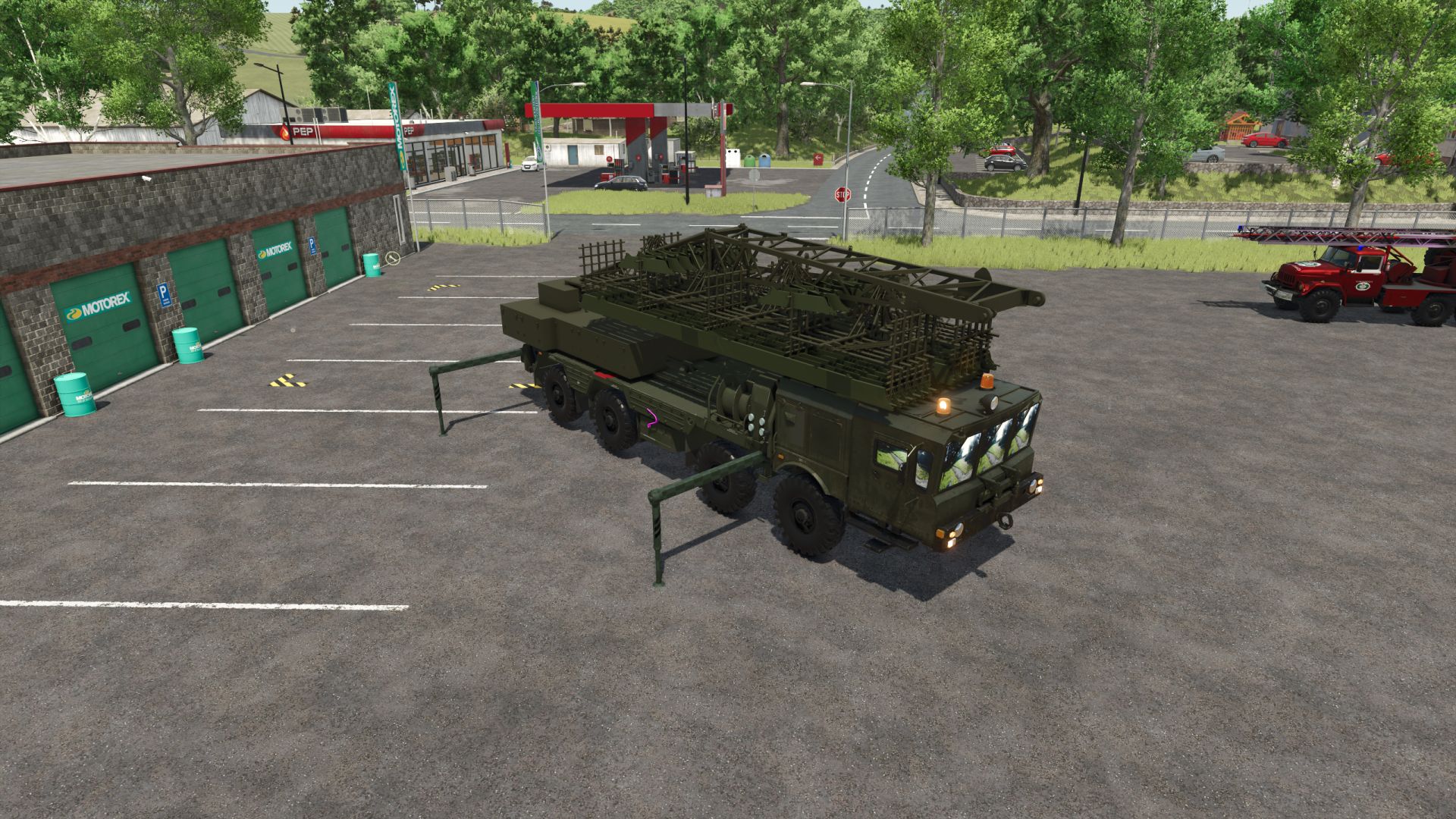
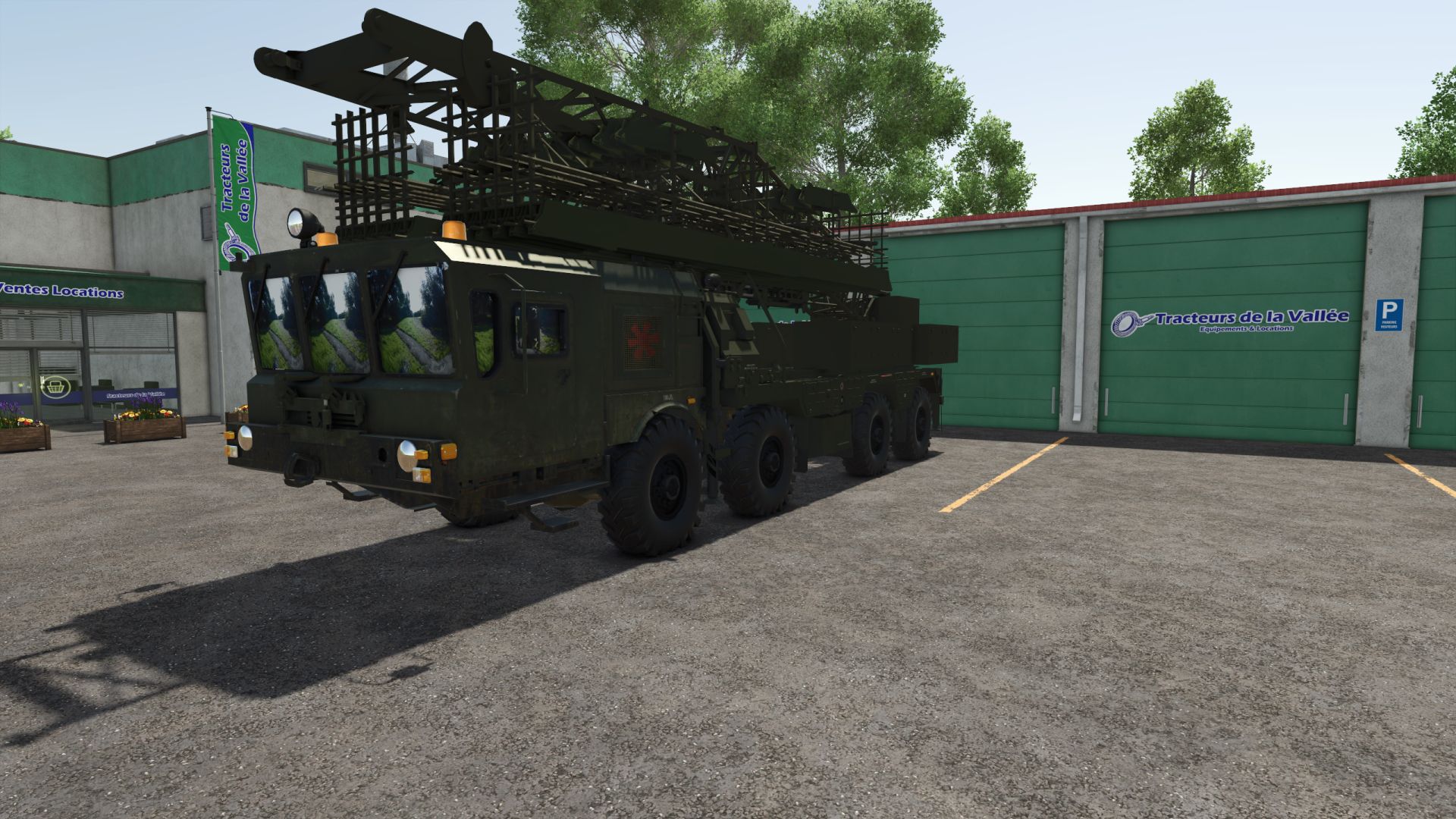
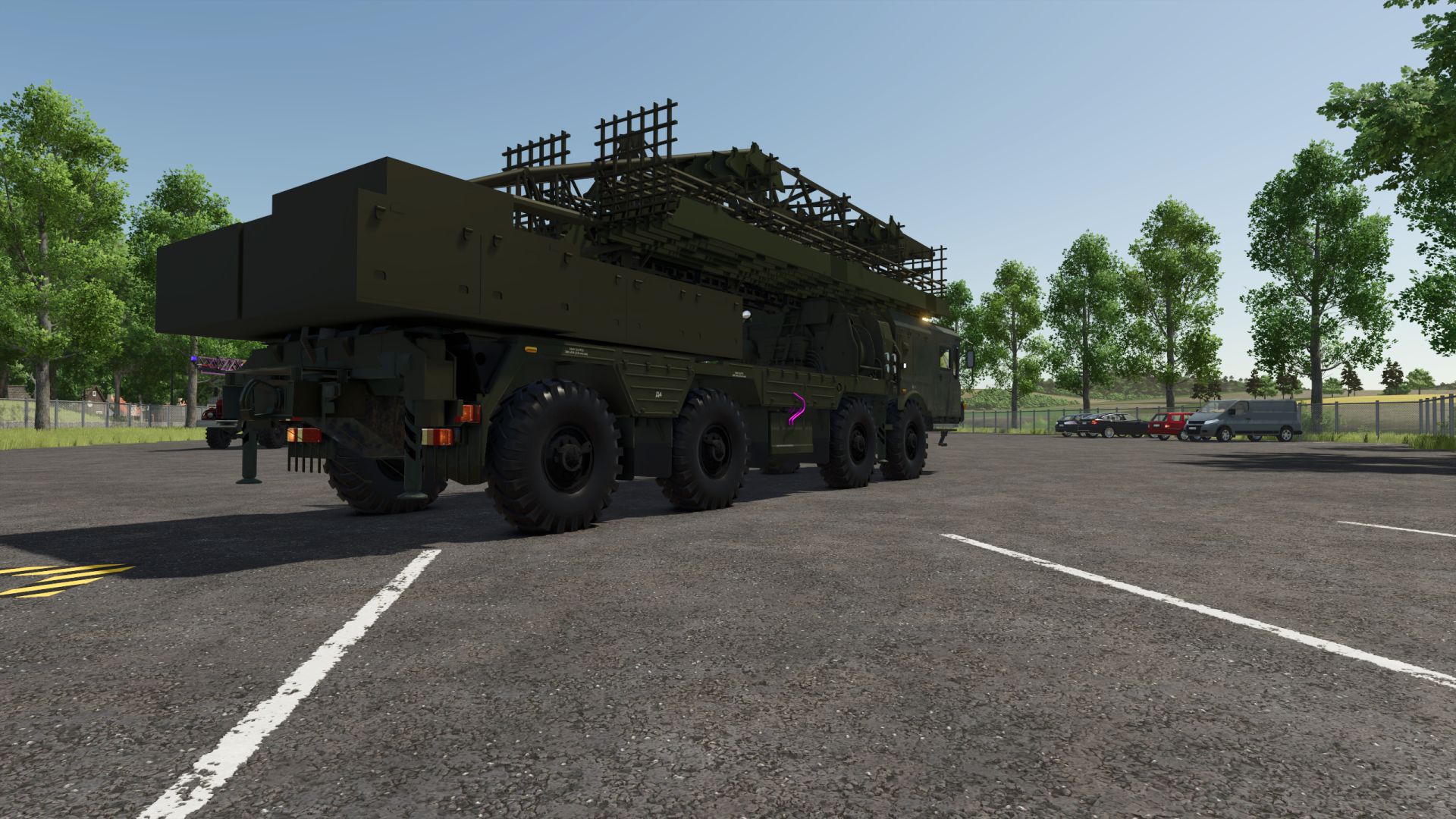
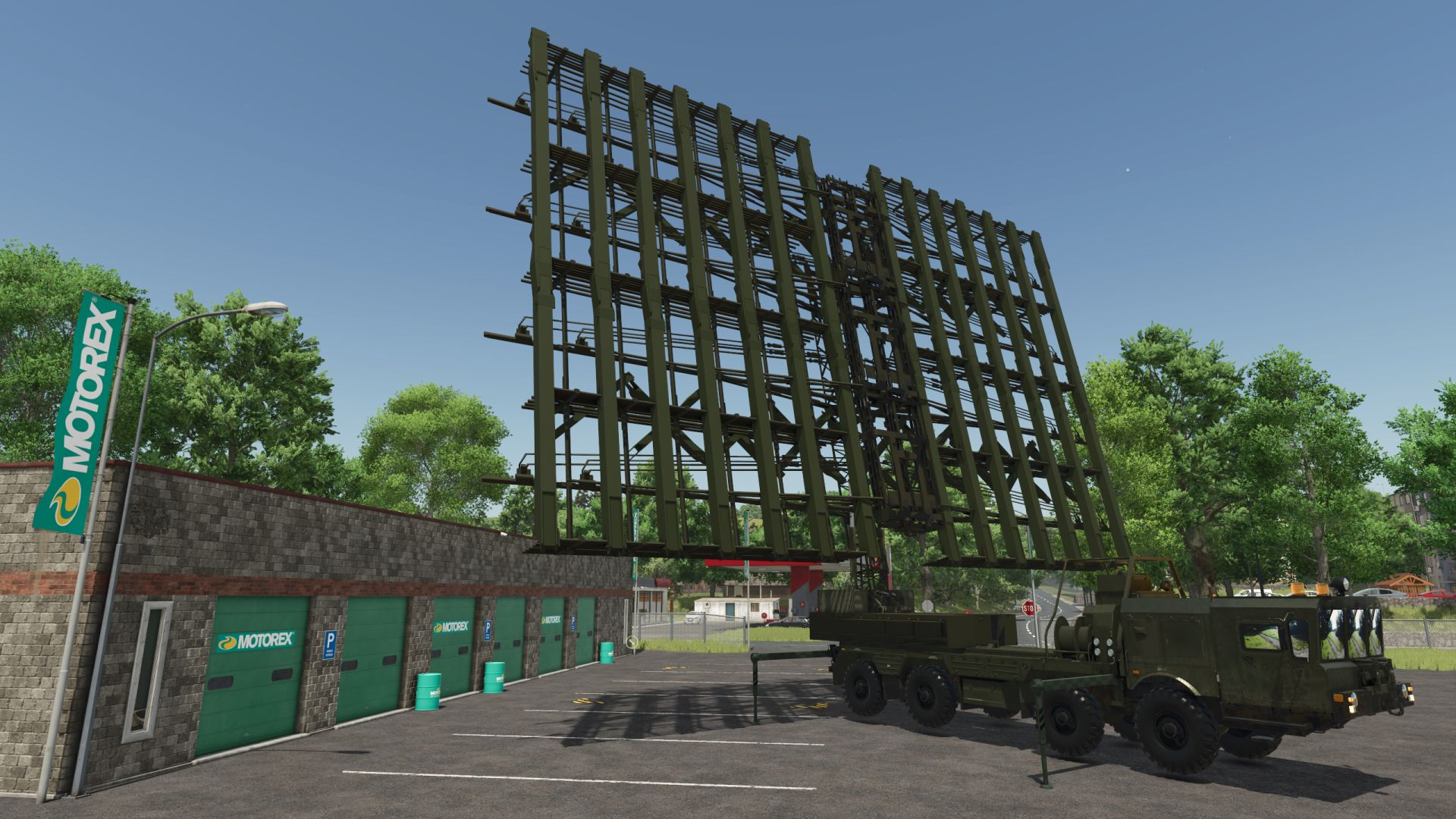
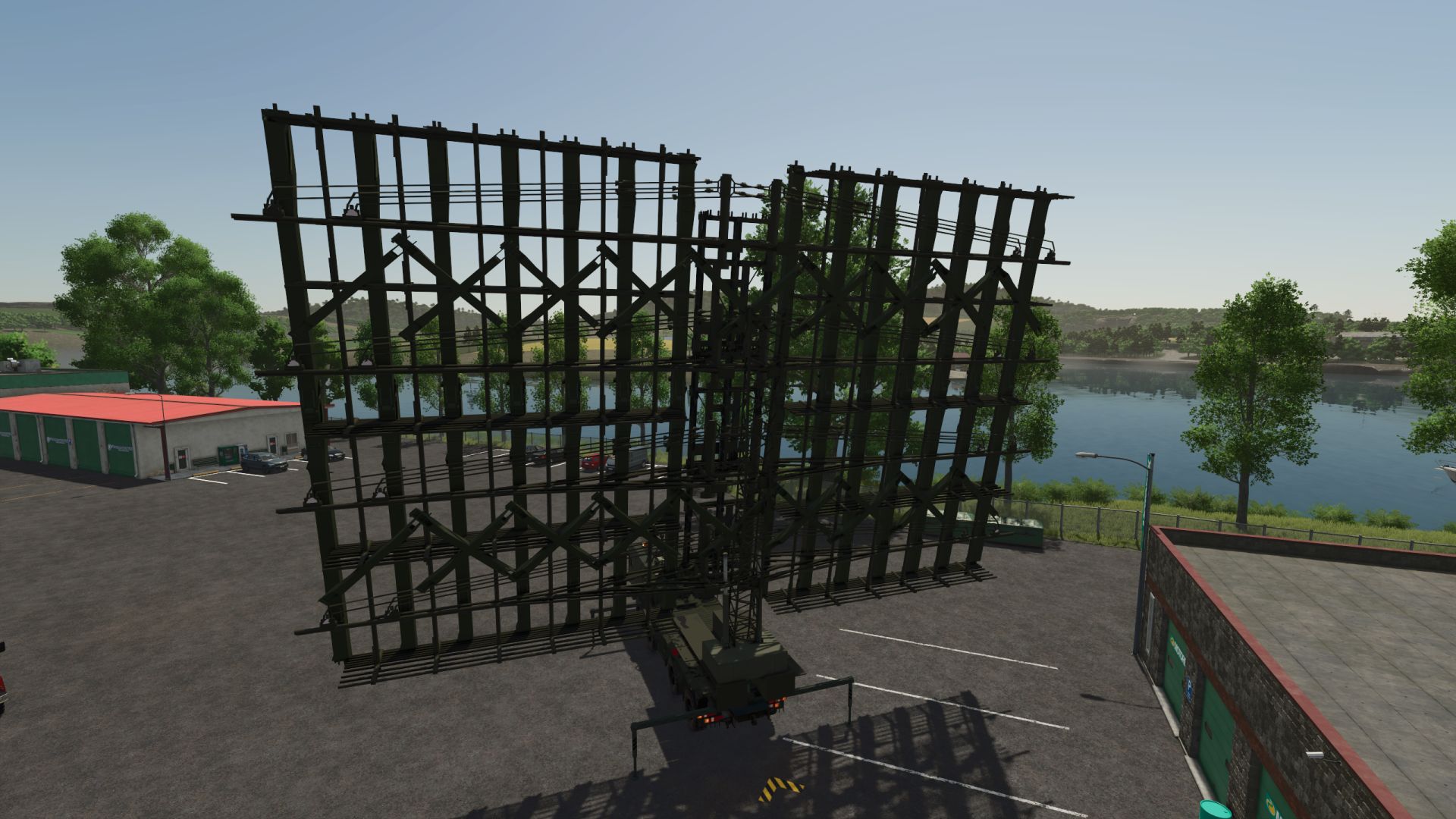

MZKT-7930 (Radio Frequency & Radar Platform)
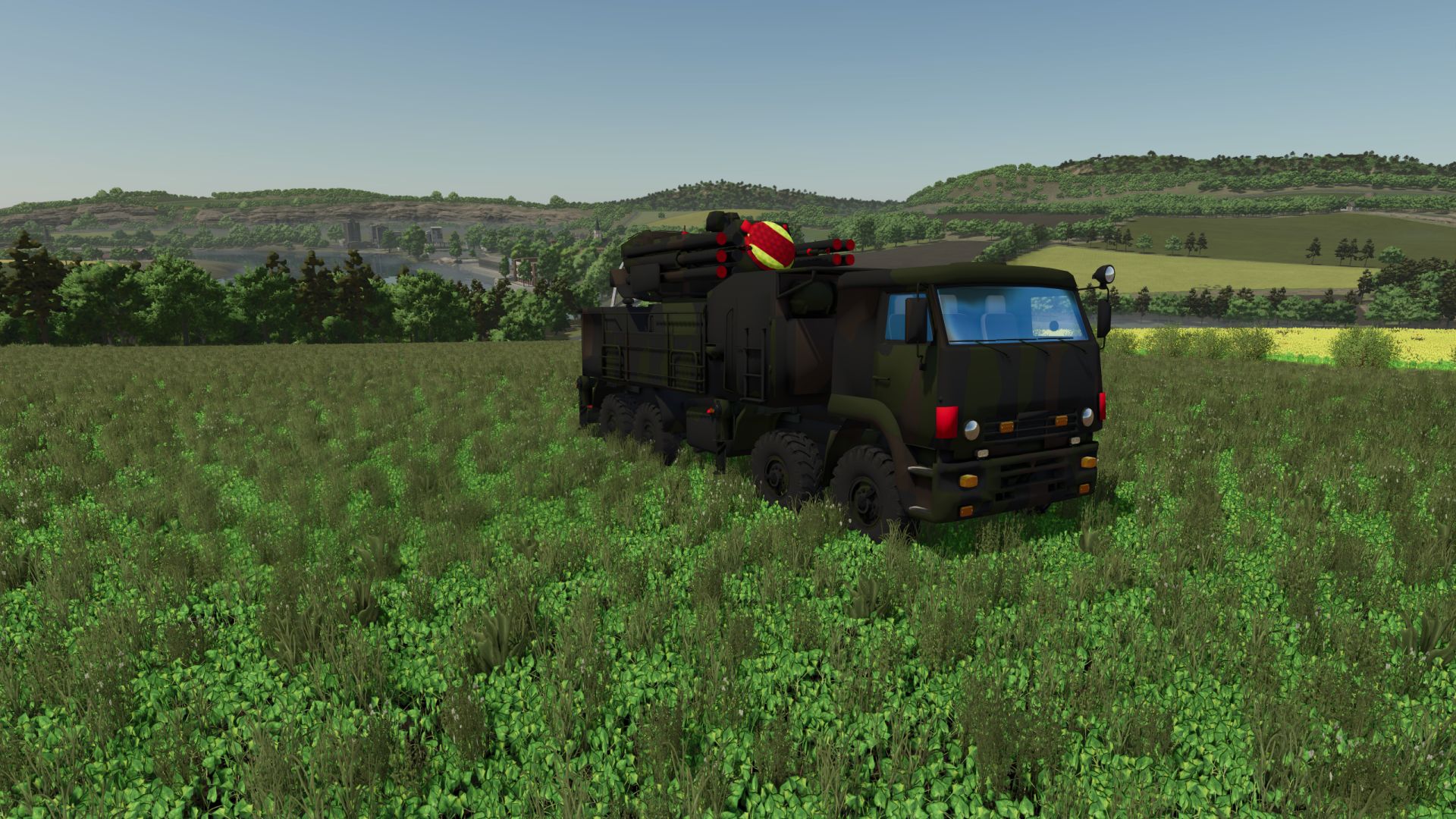
The MZKT-7930 (produced by Minsk Wheeled Tractor Plant / Volat) is a heavy 8x8 high-mobility military chassis. In its radio frequency (RF), radar, and electronic warfare (EW) configuration, it serves as a robust mobile carrier for advanced phased-array radars, command-and-control nodes, and signal intelligence systems due to its high payload capacity and structural stability.
1. Key Chassis Technical Specifications
Origin: Belarus / Russia
Drive Configuration: 8x8 (All-Wheel Drive)
Payload Capacity: Up to 24 metric tons
Engine: YaMZ-846 V8 Turbocharged Diesel (~500 hp)
Top Speed: ~70 km/h (43 mph) on roads
Operational Range: Up to 1,000 km (620 miles)
Suspension: Independent hydropneumatic suspension, essential for stabilizing and precisely leveling heavy RF antenna arrays and sensitive electronic payloads.
2. Major RF & Radar Systems Mounted on the MZKT-7930
The chassis acts as the primary mobile carrier for several critical high-frequency military systems:
92N6E "Grave Stone" Fire Control Radar:
A core component of the S-400 Triumf surface-to-air missile system.
Utilizes a large phased-array radar for multi-target tracking, missile guidance, and operation in heavy electronic countermeasure (ECM / jamming) environments.
91N6E Panoramic Surveillance Radar:
A long-range acquisition radar deployed on the MZKT-7930 chassis to provide early warning and air-space surveillance up to hundreds of kilometers.
Monolit-B Coastal Defense / Surveillance System:
A mobile coastal reconnaissance radar system operating in active and passive RF modes to detect and track surface ships and over-the-horizon targets.
3. RF Engineering & Operational Features
Automatic Leveling Systems: High-frequency active electronically scanned arrays (AESA) require an exceptionally rigid, flat foundation. The vehicle is equipped with heavy-duty hydraulic outriggers to level the platform on uneven terrain, ensuring precise radar beam orientation.
Onboard Power Generation: Radar transmitters demand substantial electrical power. The platform integrates dedicated high-output Auxiliary Power Units (APUs) and specialized cooling units to maintain optimal RF transmitter temperatures.
Shielded Crew Cabin: Features an armored, climate-controlled cabin for a crew of 3 to 4, equipped with digital signal processing consoles, secure communications, and shielding against electromagnetic interference (EMI/EMP).
4. Tactical Advantages
Rapid Setup & Displacement ("Shoot-and-Scoot"): Fully automated mast hydraulic systems allow the radar/RF gear to deploy, emit signals, stow the antenna, and relocate rapidly to avoid anti-radiation missiles (ARMs) or enemy counter-strikes.
Off-Road Mobility: High ground clearance and all-wheel drive enable the deployment of strategic radar and electronic warfare assets into rugged, unprepared terrain rather than relying on paved roads.